Your One-Stop Hub for Home Repairs, Smart Upgrades, and Expert Advice
You want home repairs done right, quality goods that last, and expert advice you can trust — all without hunting through multiple sites or calling a dozen contractors. This post shows how to find reliable local pros, pick durable materials, and get practical guidance so your projects finish on time and on budget. Expect clear steps to connect with vetted home-repair services, choose high-quality products, and use expert tips that prevent costly mistakes.
Whether you’re planning a small fix, a big remodel, or just smarter maintenance, you’ll learn how to evaluate contractors, compare materials, and apply professional advice to your specific situation. Follow along to simplify decisions, protect your investment, and get results that match your goals.

Comprehensive Home Repair Services
A handyman working with tools in a workshop surrounded by shelves of home repair supplies and a cozy living room visible in the background.
You’ll find services that keep systems working, surfaces restored, and urgent damage contained. Expect clear pricing, licensed technicians, and options for one-time jobs or recurring maintenance.
Interior Maintenance and Renovation
You can hire technicians for drywall patching, ceiling repairs, and full-room painting that match existing textures and color codes. Tradespeople handle plumbing fixes like leaking pipes, faucet replacements, and toilet repairs; they adhere to local code and will test fixtures after work.
For larger interior renovations, crews manage cabinetry swaps, countertop replacement, and flooring installation (hardwood, laminate, tile). They coordinate measurements, removal of old materials, and finishing so lines and transitions meet manufacturer tolerances.
Request itemized estimates that list materials, labor hours, permit needs, and project milestones. Ask for license numbers, proof of insurance, and customer references before signing a contract.
Exterior Repairs and Upgrades
You can address roof shingles, flashing, and gutter replacement to prevent leaks and foundation water damage. Exterior teams also repair siding (vinyl, fiber cement, wood) and reseal windows and doors to improve weather resistance and energy performance.
Landscape-facing work includes deck repair, railing replacement, and exterior painting with weather-rated primers and topcoats. For efficiency upgrades, contractors install insulated doors, storm windows, and attic insulation to lower heating and cooling loads.
Compare contractor warranties on materials and workmanship, and verify they follow local building codes for structural changes and permits.
Emergency Restoration Solutions
You can get rapid-response teams for water extraction, mold mitigation, and structural drying after leaks or floods. Technicians use moisture meters and hygrometers to document dryness levels and guide drying equipment placement.
For fire or smoke damage, specialists handle soot removal, odor neutralization, and selective demolition to preserve salvageable materials. They coordinate with insurance adjusters and provide detailed loss inventories to support claims.
Request 24/7 availability details, containment procedures to protect unaffected areas, and a written timeline for stabilization, repairs, and final restoration work.
Quality Home Goods Selection
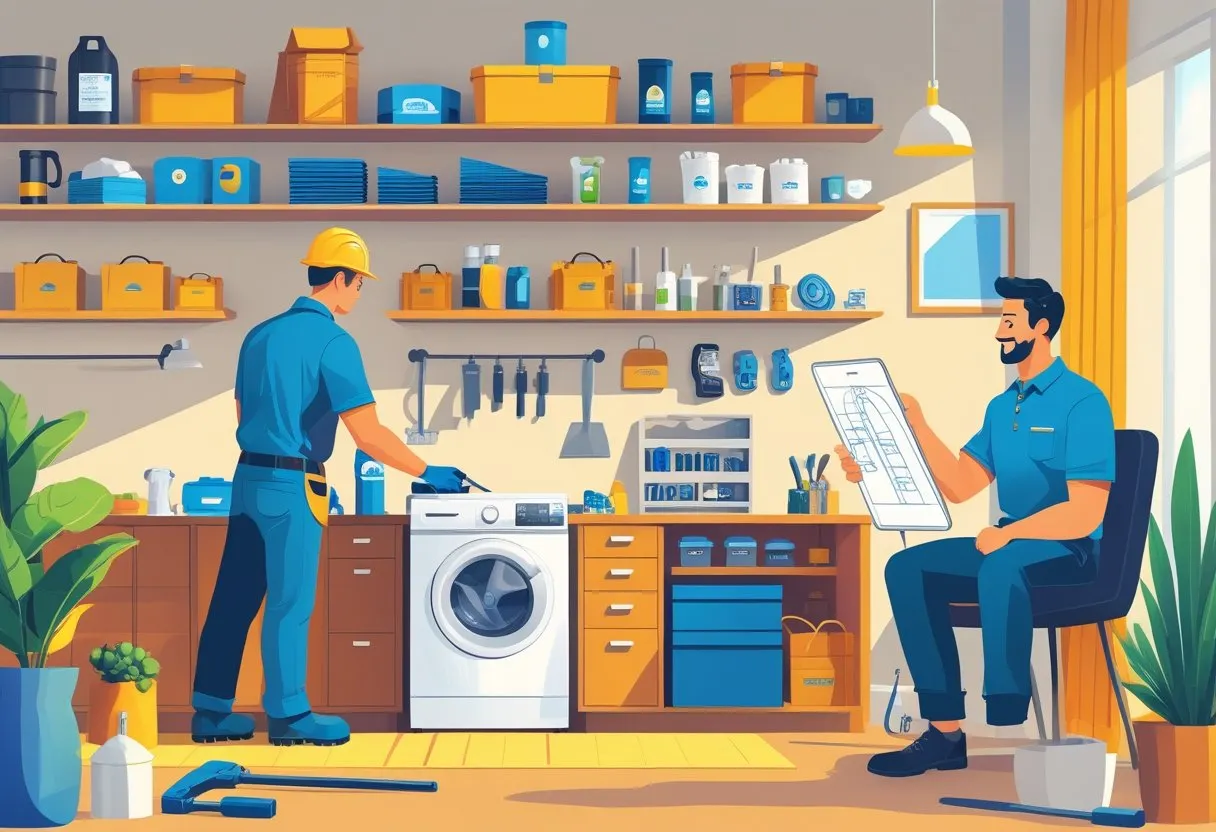
A home interior where a technician repairs an appliance while a homeowner receives advice near shelves of home goods.
You’ll find durable, well-reviewed products that match practical needs and design preferences. The selection emphasizes performance, ease of installation, and long-term value.
Premium Appliances and Fixtures
Choose appliances tested for energy efficiency and reliability, like dishwashers with stainless steel tubs and variable-speed motors that reduce noise and water use. Look for ENERGY STAR ratings, inverter compressors in refrigerators, and induction ranges for faster, more consistent cooking. For fixtures, prioritize ceramic-toilet models with dual-flush options and low-flow showerheads that meet EPA WaterSense standards.
When comparing warranties, check for at least a one-year parts and labor policy and longer coverage on key components such as compressors or sealed refrigeration systems. You should also verify service-network availability in your area to minimize downtime.
Home Improvement Tools and Supplies
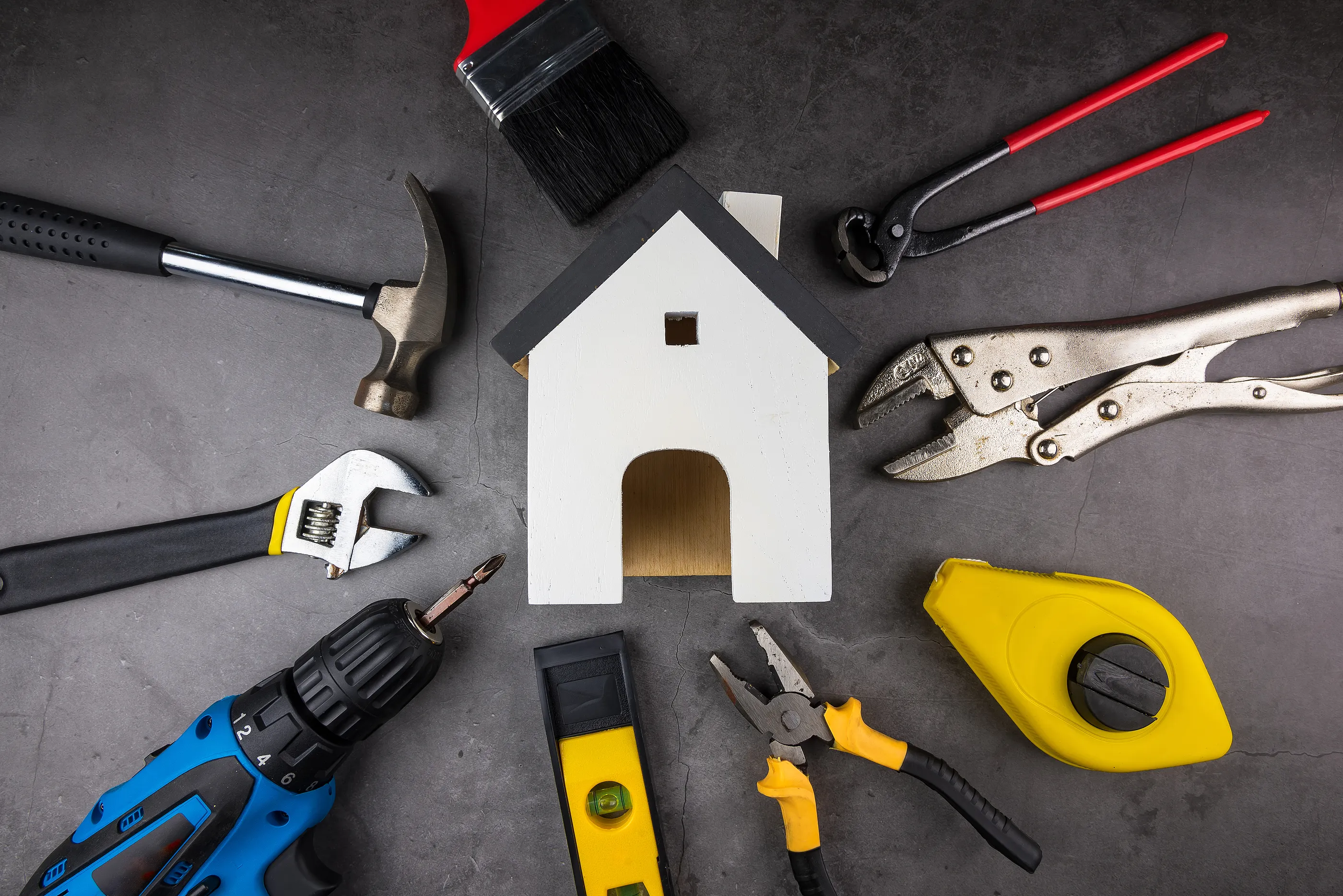
Stock durable hand tools, ratcheting wrenches, torque screwdrivers, and insulated pliers—for safer, faster work. Choose power tools with brushless motors for longer life and better battery runtime. Keep a basic kit: measuring tape, level, adjustable wrench, utility knife, and a quality cordless drill with a set of bits.
Consumables matter: buy rust-resistant fasteners, paint with good hide and low-VOC formulas, and mildew-resistant caulks for wet areas. For flooring or tile work, select thinset or adhesive rated for your substrate and climate. If you plan DIY projects, prioritize tool ergonomics and manufacturer support, including parts and replacement batteries.
Eco-Friendly and Sustainable Products
Pick products made from recycled or rapidly renewable materials, such as reclaimed-wood shelving or countertops certified by the Forest Stewardship Council (FSC). For insulation and interior finishes, choose cellulose, wool, or low-VOC paints to improve indoor air quality and thermal performance.
Look for labels that matter: ENERGY STAR for appliances, WaterSense for plumbing fixtures, and third-party certifications like GREENGUARD for low chemical emissions. Also consider long-life options—durable flooring, LED lighting, and high-efficiency HVAC components—to reduce replacement frequency and lifecycle environmental impact.

Expert Advice for Every Home Project
A family receiving expert advice on home repair and quality home goods inside a bright, organized room. You’ll find actionable planning steps, hands-on DIY resources, and guidance for when to hire a pro.
The following subsections give specific checklists, tools, and decision points to help you move forward with confidence.
Project Planning Tips
Start by defining the scope: list rooms, fixtures, and measurable outcomes (for example, “replace kitchen countertops with quartz, 30 sq ft”). Set a firm budget range with line items for materials, labor, permits, and a 10–20% contingency. That prevents surprise costs and helps you compare contractor bids.
Create a timeline tied to milestones: design approval, permit submission, demo, rough-in, inspection, and final walkthrough. Build in weather and supply delays. Gather at least three line-item quotes and compare them side-by-side. Ask each contractor for references, proof of insurance, and a breakdown of warranties.
Document decisions with photos, receipts, and signed agreements. Keep permits and manufacturer instructions accessible during work. Use simple project-management tools (spreadsheets or apps) to track tasks, payments, and change orders.
DIY Guidance and Resources
Match tasks to your skill level: cosmetic updates, painting, and simple fixture swaps suit most homeowners. Electrical, structural, and major plumbing work usually requires a licensed pro. Learn from reputable sources: manufacturer installation guides, trade-provided videos, and homeowner platforms that show step-by-step procedures and common pitfalls.
Assemble a basic toolkit: tape measure, level, adjustable wrench, screwdriver set, utility knife, stud finder, and a cordless drill. For larger jobs, rent specialty tools (tile saw, floor nailer) to save cost over purchase. Prioritize safety: wear eye and respiratory protection, shut off power/gas when required, and get a permit when local codes demand it. Test small repairs on scrap material first to avoid costly mistakes.
Professional Recommendations
Hire licensed, insured professionals for work that affects structure, egress, or building systems. Verify license numbers, insurance certificates, and current complaints with your local licensing board. Request written estimates that itemize labor, materials, allowances, and schedule. Include a clear payment schedule tied to milestones and withhold final payment until punch-list items are resolved.
Negotiate warranties and change-order procedures before work starts. Clarify who is responsible for cleanup and disposal. If you need a second opinion on scope or cost, get an independent assessment or a remote video consult from a tradesperson to confirm accuracy.
Use a short evaluation checklist when selecting a pro:
License and insurance verified
Recent references or portfolio photos
Itemized written contract
Clear warranty and payment terms
This keeps your hiring choice objective and reduces post-project disputes. .
Related Articles

Choose a licensed, insured pro with clear references and a written estimate that includes a single step cuts your risk of poor work, delays, and unexpected costs.

Affordable Ways to Upgrade Your Home’s Comfort and Efficiency
You can make your home noticeably more comfortable and energy-efficient without spending a fortune. Small, targeted upgrades like sealing drafts, swapping to ENERGY STAR lighting and appliances, and adding simple smart thermostats cut bills and improve comfort quickly.

You’ll find clear, practical fixes that save time and prevent small issues from becoming costly repairs. Learn which simple repairs to tackle yourself, which tools and products actually work.
Copyright by SavvyHomeHub. All rights reserved.
This site is not a part of the Youtube website or Youtube Inc. Additionally, This site is NOT endorsed by Youtube in any way. YOUTUBE is a trademark of YOUTUBE, Inc.