A Smarter Way to Care for Your Home: Services, Products, and Professional Tips

You want a home that runs smoothly without eating up your time or budget. This article shows practical services, smart products, and professional tips you can apply now to reduce chores, cut costs, and protect your home’s value. Use targeted services and smart devices to simplify upkeep, prevent problems, and free up hours each week.
A modern living room with smart home devices, a technician demonstrating maintenance tips, and shelves with home care products.
You’ll learn how modern home care blends reliable pros, cost-effective strategies, and connected products so you can prioritize what matters most. Expect clear guidance on choosing services, matching products to real needs, and easy maintenance habits that keep your home efficient and healthy.
Understanding Modern Home Care
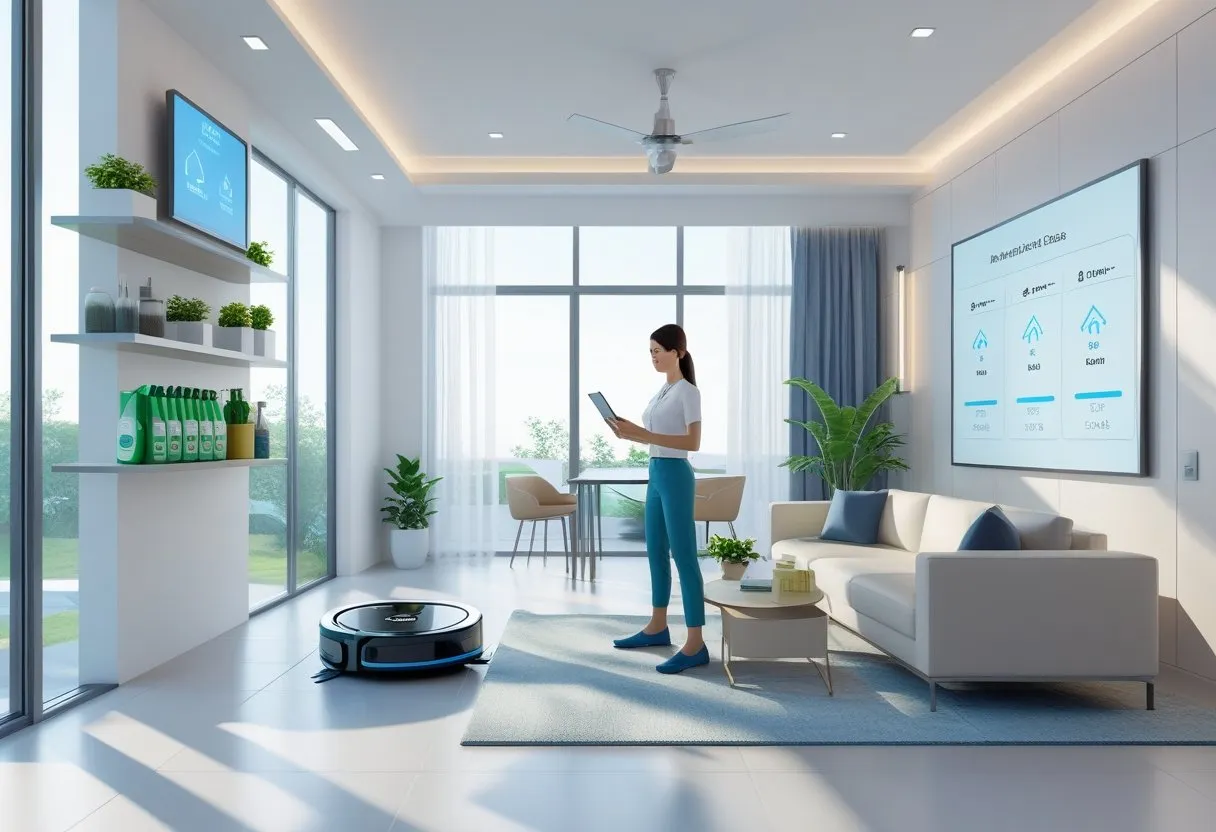
A modern living room with smart home devices, cleaning tools, and a person using a tablet to manage home care.
Modern home care combines planned maintenance, smart products, and targeted services to keep your home safe, efficient, and comfortable. You’ll focus on predictable tasks, use technology where it reduces time or risk, and call professionals for work that requires licenses or specialized tools.
Key Principles of Efficient Home Maintenance
Prioritize tasks by safety, cost, and frequency. Address hazards first: test smoke and CO detectors monthly, inspect electrical panels annually, and fix water leaks immediately to avoid mold and structural damage. Preventive actions save repair costs and preserve home value.
Create a simple schedule you can follow: seasonal HVAC tune-ups, gutter cleaning in spring and fall, and roof inspections after major storms. Use reminders in your calendar or a maintenance app to track dates and service histories. Delegate routine chores—lawn, filter changes, and simple cleaning—to trusted services to free your time for higher-skill tasks.
Document equipment models, warranty periods, and service contacts in one place. Keep receipts and photos of installations. That record speeds claims and helps technicians diagnose problems faster.
Benefits of Proactive Home Care
You reduce urgent repairs and unexpected expenses by acting early. For example, replacing a failing water heater before it bursts typically costs far less than water damage remediation and drywall replacement. Small investments—insulation upgrades or smart thermostats—cut monthly utility bills.
You also increase safety and comfort. Regular HVAC maintenance improves air quality and avoids breakdowns in extreme weather. Smart sensors for leaks, temperature, and occupancy alert you to issues while you’re away, allowing faster interventions.
Proactive care preserves resale value. Buyers notice well-maintained systems, clear service records, and recent upgrades. That can shorten time on market and improve offers when you sell.
Common Home Care Challenges
Scheduling and keeping track of all tasks often creates friction. You might forget seasonal items or lack a single place for records, which leads to overlaps or missed maintenance windows. Use a centralized digital calendar and a labeled folder (physical or cloud) for manuals and warranties.
Cost planning presents another hurdle. Emergency repairs spike budgets. Build a small home maintenance fund equal to 1–3% of your home’s value annually or set aside monthly savings to smooth large expenses. Obtain multiple quotes for major jobs to compare scope and price.
Finding qualified, trustworthy professionals can be time-consuming. Verify licenses, read recent reviews, and ask for references. For specialized systems—electrical, plumbing, HVAC—prefer contractors who provide written estimates and follow local code requirements.
Essential Home Care Services
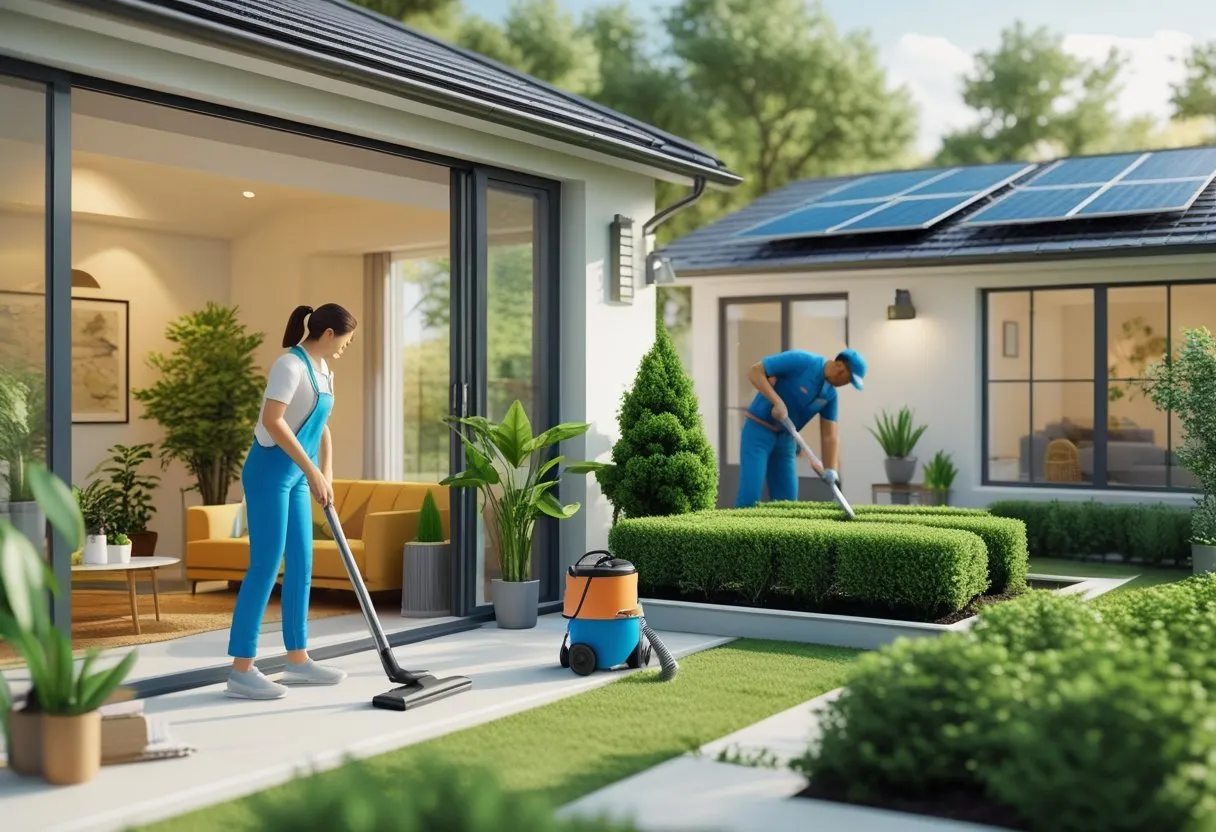
A home interior and garden scene showing people performing cleaning, plant care, gardening, and roof maintenance tasks.
You can keep your home safe, comfortable, and efficient by focusing on regular upkeep, prompt repairs when problems arise, and seasonal maintenance that prevents larger failures. Prioritize tasks that protect systems (HVAC, plumbing, roof), maintain habitability (cleaning, pest control), and reduce emergency costs.
Routine Maintenance Services
Routine services target systems that fail gradually if ignored. Schedule HVAC inspections twice a year for filter changes, refrigerant checks, and duct cleaning to maintain efficiency and indoor air quality. Set a quarterly plan for plumbing: test shut-off valves, inspect under sinks for leaks, and flush water heaters to prevent sediment buildup.
Include regular pest inspections, gutter cleaning every spring and fall, and monthly smoke/carbon monoxide alarm tests. Use a checklist and digital reminders to track service dates, warranties, and contractor contacts. Investing in a maintenance contract with a trusted provider often lowers hourly rates and ensures priority scheduling.
Emergency Repair Services
Emergency services address sudden failures that threaten safety or cause property damage. Keep a list of licensed plumbers, electricians, and locksmiths you can contact 24/7. For water leaks, shut off the main valve immediately and call a plumber; for electrical sparking or outages, cut power at the breaker and contact an electrician.
Understand typical response times and emergency fees before hiring. Ask providers about on-site diagnosis charges, parts markup, and whether they offer temporary fixes (tarps for roofs, pump rentals for floods) to limit damage until permanent repair. Keep basic emergency supplies — a wet/dry vacuum, spare sump pump battery, and pipe repair kit — to mitigate harm while you wait.
Seasonal Upkeep Solutions
Seasonal work prepares systems for weather changes and extends component life. In autumn, service your furnace, seal windows and doors, and clean gutters to prevent ice dams. In spring, inspect the roof for winter damage, clean AC units, and service lawn irrigation systems.
Create a season-specific checklist: winterize outdoor faucets and store hoses; spring-test sump pumps and clear downspouts; summer-check attic ventilation and shade screens. Schedule contractors early in the season to avoid peak demand and higher rates. Track seasonal expenses in a simple table or spreadsheet so you can compare costs year-to-year and budget for major replacements.

Smart Home Products for Better Living
A modern living room with various smart home devices, including a thermostat, smart lights, speaker, security camera, smart refrigerator, and robotic vacuum cleaner.
These devices help you save time, cut energy costs, and improve home safety by automating routine tasks, monitoring conditions, and integrating with services you already use.
Home Automation Systems
Choose a hub or platform that supports Matter and the major ecosystems (Amazon Alexa, Google Home, Apple HomeKit) to avoid compatibility headaches. Pick a central controller (smart speaker, display, or dedicated hub) that can run routines—things like morning wake-up scenes, away modes, and security arming—so you automate multiple devices with one command.
Plan automation around triggers you actually need: presence, schedules, sensors, or voice. Use local-processing options for critical automations to reduce latency and keep essential functions working during internet outages. Secure your system by using strong, unique passwords, enabling two-factor authentication, and segmenting IoT devices on a separate Wi‑Fi network.
Energy-Efficient Appliances
Look for ENERGY STAR ratings and smart connectivity on major appliances—refrigerators, washers, dryers, and dishwashers—so you can monitor usage and run off-peak cycles from your phone.
Smart thermostats learn your schedule, integrate with zoning systems, and provide detailed usage reports that often cut heating and cooling bills by noticeable margins when programmed correctly.
Use smart plugs or meters for older appliances to track real-time consumption and set automatic shut-offs. When replacing equipment, compare lifecycle energy use and maintenance costs, not just upfront price, to get the best long-term savings.
Security and Monitoring Devices
Prioritize door/window sensors, smart locks, and video cameras placed at ingress points with clear sightlines and weatherproof ratings for outdoors. Choose cameras with local storage options or end-to-end encryption to protect footage, and pick motion detection settings that reduce false alerts from pets or moving branches.
Smart locks should support secure authentication (PINs, biometric, or app-based), temporary guest access, and activity logs so you can audit who enters and when. Integrate sensors with automated lighting and alarms so a triggered event can record footage, notify you, and illuminate pathways without manual steps.
Smart Cleaning Tools
Robot vacuums with LiDAR or camera mapping create no-go zones and schedule room-specific cleanings so you avoid repeatedly moving furniture. Combine a robot mop for hard floors and a dedicated cordless stick vac for spot cleaning to cover different surfaces efficiently.
Look for models that report run-time, dustbin status, and mapping data in the app so you can optimize schedules. For outdoor maintenance, consider a smart irrigation controller that adjusts watering by weather data and a robotic mower that follows defined perimeters to reduce manual lawn care.
Selecting Reliable Home Service Providers
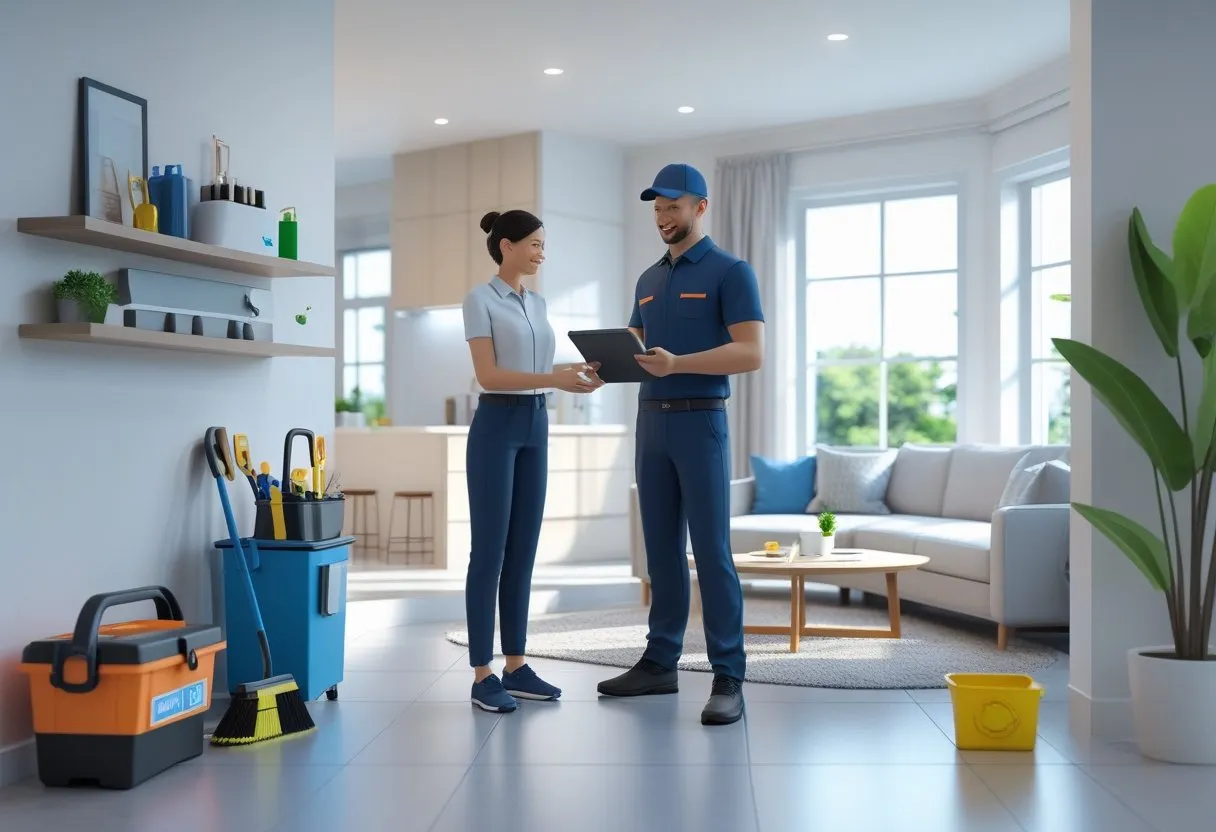
A homeowner receiving a checklist from a home service professional inside a bright, tidy living room with tools and smart home devices visible.
You need providers who are licensed, insured, and clear about what they’ll do and charge. Focus on credentials, compare packaged offerings side-by-side, and verify real customer experiences before you commit.
Evaluating Professional Credentials
Ask for licenses and registration numbers and verify them with your state or local licensing board. For trades like electrical, plumbing, HVAC, or structural work, check specific license classes; for health- or safety-related services (e.g., radon mitigation, mold remediation), confirm certification from recognized bodies.
Confirm insurance: request a certificate of insurance showing general liability and workers’ compensation with your property listed as the job site. If subcontractors are used, verify their coverage too.
Look for warranties and written contracts. A clear contract should state scope, start/end dates, materials, payment schedule, and change-order procedures. Prefer providers who belong to industry associations—membership often signals ongoing training and adherence to standards.
Comparing Service Packages
Create a simple comparison table you can review at a glance.
Provider
Scope of Work
Materials/Brands Used
Labor Warranty
Price (itemized)
Completion Timeline
Request itemized bids from at least three providers that use the same specifications and brands. Compare line-by-line so you’re not comparing “apples to oranges.” Watch for low bids that omit permits, disposal fees, or site protection; these usually become extra charges later.
Ask about bundled discounts versus a la carte pricing. Bundles can save money if you need multiple services (e.g., roof inspection + gutter cleaning), but confirm the warranty applies to all bundled items. Negotiate payment terms: hold back a final payment until you inspect completed work and receive lien releases where applicable.

Reading Reviews and Testimonials
Scan multiple sources: Google, Yelp, the Better Business Bureau, industry-specific sites, and local community forums. Prioritize reviews that mention projects like yours—size, materials, timelines—because relevance beats overall star ratings.
Look for patterns, not single complaints. Repeated notes about missed deadlines, poor communication, or billing disputes are red flags. Verify recent reviews; a long history of positive feedback followed by a cluster of recent problems warrants a direct conversation with the provider.
When possible, ask for reference contacts and visit completed work in person. Prepare focused questions: “Did the project finish on schedule?” “Were change orders explained in writing?” “Did you need follow-up repairs?” Direct answers reveal reliability more than polished testimonials.
Cost-Effective Solutions for Homeowners
You can cut ongoing costs by choosing the right upgrades, deciding which tasks to DIY, and prioritizing measures that pay back over time. Focus on targeted products, smart service choices, and upgrades with measurable energy or maintenance returns.
Budget-Friendly Product Recommendations
Pick products that lower bills quickly and require minimal installation. A smart thermostat that supports schedules and remote access typically pays back within 1–3 years through reduced heating and cooling costs. Look for models with ENERGY STAR or HomeKit/Google compatibility for easier automation.
Upgrade to LED bulbs and smart lighting controls; LEDs use about 75% less energy than incandescent bulbs and last far longer. Install low-flow showerheads and faucet aerators to cut water use without changing behavior. For drafty homes, use weatherstripping, door sweeps, and window film—these are low-cost, high-impact fixes you can apply in an afternoon.
Prioritize durable items with good warranties. When comparing air filters, choose MERV 8–11 for most homes to balance indoor-air quality and HVAC efficiency. Keep receipts and register warranties to protect investments.
DIY Versus Professional Services
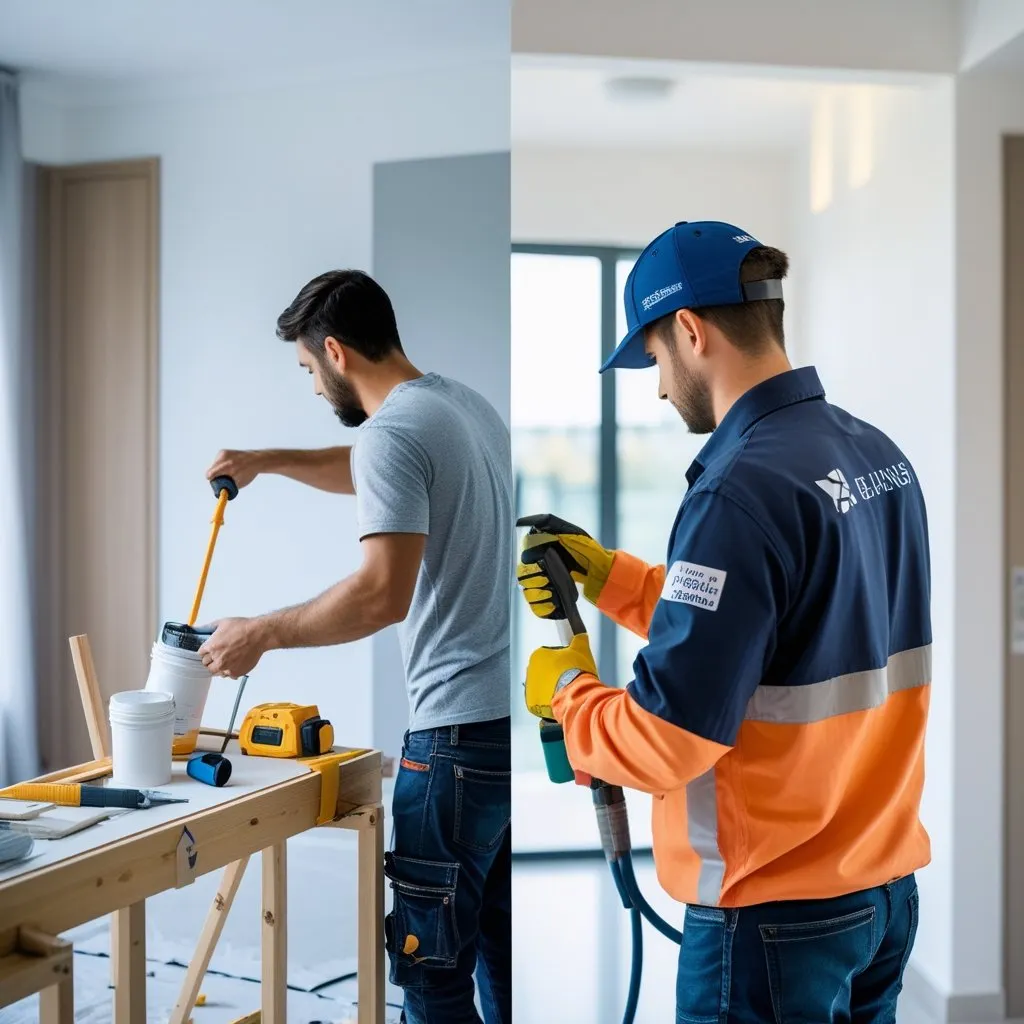
Decide based on safety, skill, and return on investment. Handle tasks like sealing gaps, replacing filters, installing smart plugs, and swapping light fixtures yourself if you have basic tools and follow instructions. These projects often take under an hour and cost tens of dollars.
Hire pros for electrical work beyond simple outlet swaps, major HVAC service, roof repairs, and gas or sewer line issues. Professionals ensure code compliance, reduce risk, and often uncover problems you’d miss. Get at least three quotes, check licenses and insurance, and request itemized estimates to compare labor and parts.
Consider hybrid approaches: pay a pro for a diagnostic visit (energy audit, HVAC tune-up) and then do recommended low-risk fixes yourself. That yields professional insight without the full-service price.
Maximizing Long-Term Savings
Prioritize measures with clear payback periods and maintain them regularly. Start with an energy audit or thermostat data review to find the biggest inefficiencies—insulation gaps, aging HVAC, or high standby loads. Address the highest-cost items first to shorten payback time.
Bundle upgrades when possible. For example, adding attic insulation and sealing air leaks at the same time improves effectiveness and reduces labor costs. Combine rebates and tax credits: check federal, state, and utility incentives for heat pumps, insulation, and efficient appliances to lower upfront costs.
Track performance after upgrades. Use utility bill comparisons, smart-monitoring data, or simple before/after meter readings. Schedule routine maintenance—filter changes, roof inspections, gutter cleaning—to prevent expensive emergency repairs and preserve long-term savings.
Professional Tips for Maintaining Your Home
Focus on regular checks that catch small problems early, seasonal tasks that align with weather and systems, and targeted upgrades that lower bills and improve comfort.
Preventative Maintenance Strategies
Create a simple, recurring schedule for critical systems: inspect your roof and gutters every spring and after major storms, test smoke and CO detectors monthly, and change HVAC filters every 1–3 months depending on pets and pollen. Write dates on items or use reminders on your phone so tasks don’t slip.
Prioritize inspections that prevent costly damage: check for plumbing leaks under sinks and around your water heater quarterly, run a pressure test on exposed hose bibs before winter, and look for foundation cracks or interior signs of moisture after heavy rain. Keep a basic tool kit and a small emergency parts box (fuses, hose clamps, spare filter sizes) to handle quick fixes.
Document work and contractors. Note model/serial numbers, maintenance dates, and warranty information in a folder or digital file so replacements and service calls happen faster and with fewer errors.
Seasonal Checklists
Spring: clear gutters, inspect roof flashing, service your AC, and touch up exterior paint or caulking to prevent water intrusion. Add lawn irrigation startup and an outdoor power-wash if siding or decks show mildew.
Summer: monitor attic ventilation and insulation, check window seals and weatherstripping, and lubricate exterior door hinges. Trim vegetation away from the house to reduce pest access and moisture against the siding.
Fall: service your furnace, shut off and drain exterior hoses, and inspect the chimney and fireplace before use. Clean gutters and install gutter guards where clogs recur.
Winter: protect pipes by insulating exposed plumbing, test backup generators or battery systems, and inspect the attic for ice dam signs after heavy snow. Keep salt or de-icer on hand and clear snow around exterior vents.

Improving Home Efficiency
Start with a home energy audit—DIY or professional—to identify major loss points like gaps in attic insulation, single-pane windows, or leaky ductwork. Prioritize airtightness and insulation first; sealing air leaks around doors, windows, and penetrations typically yields the fastest comfort and savings.
Upgrade lighting to LED bulbs and install programmable thermostats or smart controls to reduce consumption without lifestyle changes. Replace HVAC filters regularly and schedule preventive HVAC tune-ups to maintain efficiency and prevent early failure.
Targeted investments often pay back fastest: add attic insulation to meet recommended R-values for your climate, install low-flow faucets and showerheads to cut hot-water use, and consider high-efficiency appliances when replacements are due. Track energy bills monthly after changes to verify savings and adjust plans accordingly.
Staying Up to Date With Home Care Innovations
You can track practical advances that improve safety, reduce effort, and lower costs. Focus on tech that solves a specific problem in your home and on simple integration steps that protect privacy and budget.
Popular Technology Trends
Smart sensors and fall-detection systems now provide continuous, passive monitoring for movement, temperature, water leaks, and room occupancy. Choose devices that support local alerts and cloud backups so you get immediate notifications and a record for caregivers or clinicians.
AI-driven care assistants and medication reminders use voice or app prompts to reduce missed doses and simplify routines. Look for devices that integrate with your pharmacy or health portal to sync prescriptions and dosing schedules.
Telehealth platforms let you attend routine appointments from home using secure video and data sharing. Verify HIPAA-compliant providers and check whether your insurer covers tele-visits before relying on them.
Wearables for vitals and activity tracking offer heart rate, oxygen saturation, and step-count data useful for early warning signs. Opt for clinically validated devices and enable data sharing only with trusted caregivers.
Integrating New Products Into Your Home
Start with one upgrade that addresses your highest-risk issue—falls, medication adherence, or emergency response. Buying a complete ecosystem at once often creates compatibility headaches and higher upfront costs.
Confirm compatibility: check that new devices work with your existing Wi‑Fi, smart hub (if any), and mobile operating systems. Use a short checklist: power requirements, app availability, local vs. cloud processing, and firmware update policy.
Plan for privacy and security. Change default passwords, enable two-factor authentication on accounts, and segment devices on a guest network when possible. Regularly apply firmware updates and remove unused devices.
Train household members and caregivers on daily routines and alarm responses. Create a simple troubleshooting sheet with steps to reboot devices, contact support, and switch to backup plans (like a phone call tree) if tech fails.
Conclusion
You gain more control over time and budget when you mix targeted products, scheduled services, and simple daily habits. Prioritize tasks that prevent big repairs and choose tools that save effort so you spend less time reacting and more time living.
Adopt a small set of reliable services, routine maintenance, seasonal deep cleans, and periodic inspections—to reduce surprises. Pair those services with multi-use products and a few smart devices to keep systems efficient and your home healthier.
Make habits that fit your rhythm: short daily actions, weekly focused sessions, and quarterly checkups. These layers work together; daily habits reduce the need for intensive fixes, and scheduled services catch issues before they grow.
Related Articles

You’ll find clear, practical fixes that save time and prevent small issues from becoming costly repairs. Learn which simple repairs to tackle yourself, which tools and products actually work, and when to call a pro so you get durable results without guesswork.
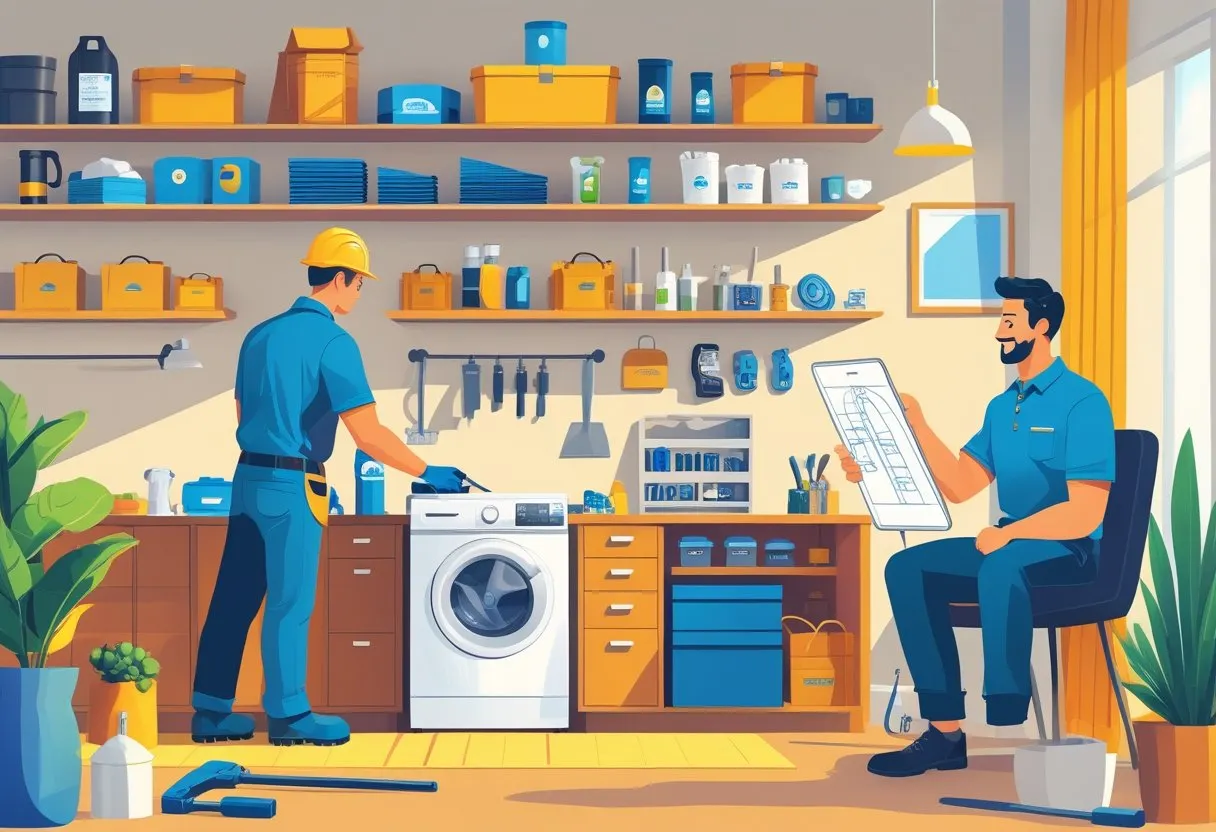
You want home repairs done right, quality goods that last, and expert advice you can trust — all without hunting through multiple sites or calling a dozen contractors. This post shows how to find reliable local pros, pick durable materials, and get practical guidance so your projects finish on time and on budget.
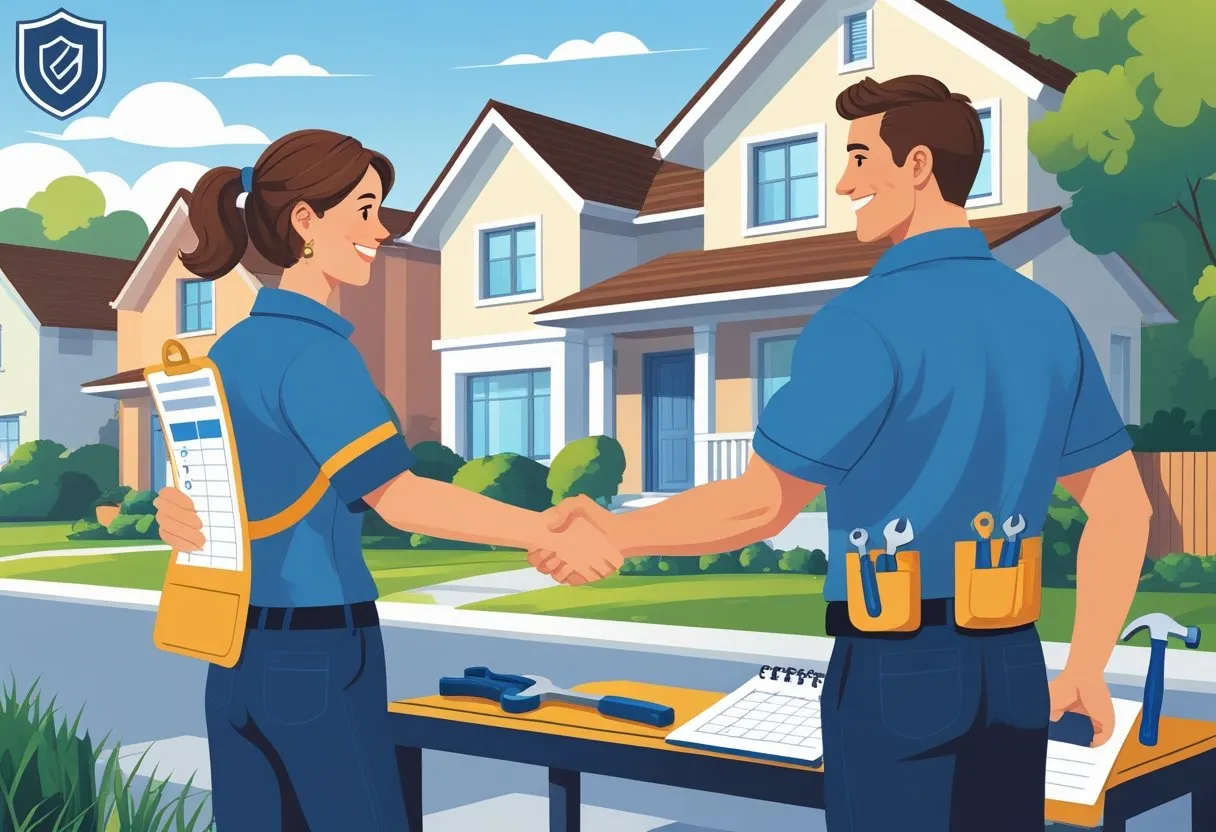
You want repairs done right without wasting time or money. Choose a licensed, insured pro with clear references and a written estimate that includes a single step cuts your risk of poor work, delays.
Copyright by SavvyHomeHub. All rights reserved.
This site is not a part of the Youtube website or Youtube Inc. Additionally, This site is NOT endorsed by Youtube in any way. YOUTUBE is a trademark of YOUTUBE, Inc.