Affordable Ways to Upgrade Your Home’s Comfort and Efficiency
You can make your home noticeably more comfortable and energy-efficient without spending a fortune. Small, targeted upgrades like sealing drafts, swapping to ENERGY STAR lighting and appliances, and adding simple smart thermostats cut bills and improve comfort quickly.
These low-cost changes often pay for themselves through lower energy bills and a more comfortable living space.
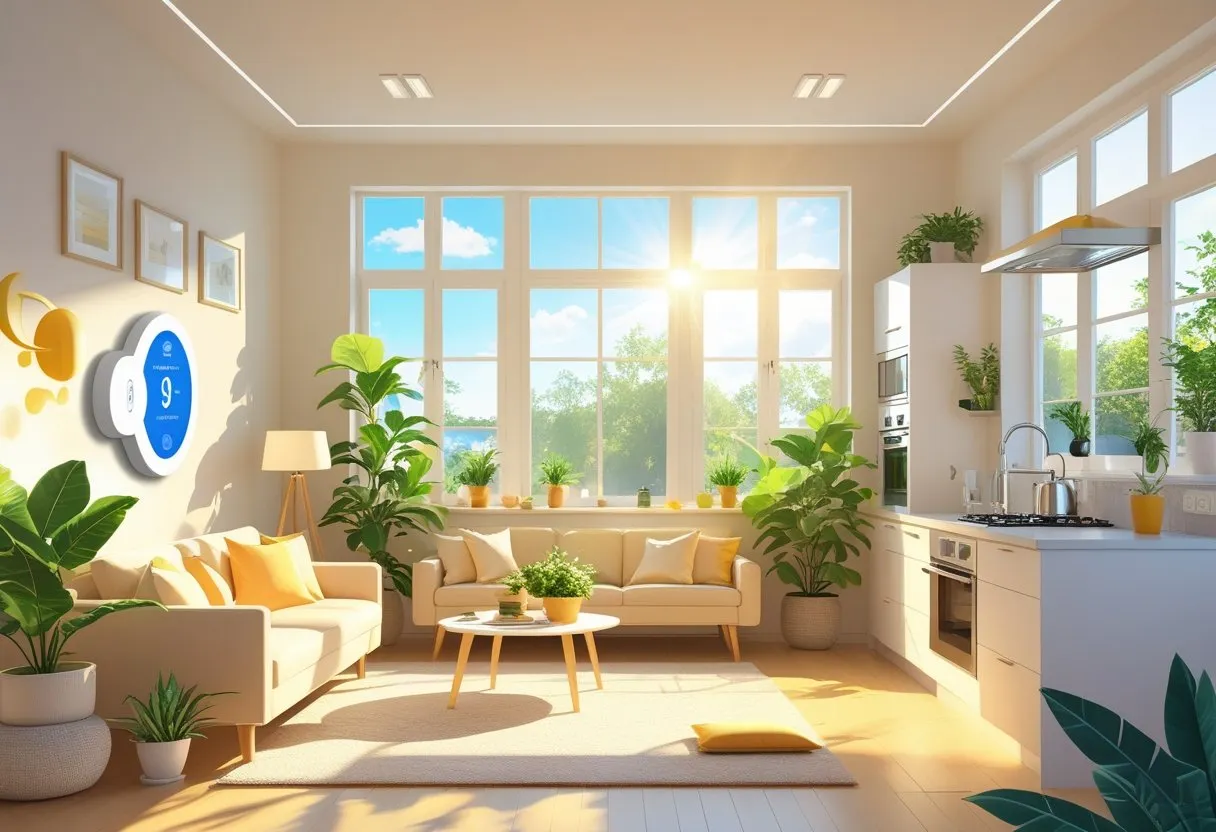
This article walks you through practical, budget-friendly steps for maximizing efficiency, improving heating and cooling, boosting indoor air quality, reducing water use, and tightening up weatherproofing all using affordable materials, DIY methods, and a few smart purchases. Expect clear, actionable tips that help you prioritize projects that deliver the biggest comfort and efficiency gains for your money.

Maximizing Energy Efficiency
Focus on reducing heat transfer, stopping drafts, and cutting lighting power use. Small, targeted investments in insulation, air sealing, and LED lighting deliver fast, measurable savings and greater comfort.
Insulating Your Home on a Budget
Start by prioritizing the biggest heat-loss areas: attic, rim joists, and accessible crawlspace walls. Add or top up attic insulation with loose-fill fiberglass or cellulose to reach recommended R-values for your climate; this often yields the largest energy gain per dollar spent.
Seal gaps first. Use low-expansion spray foam for gaps around plumbing and wiring, and caulk smaller cracks. For rim joists, rigid foam plus spray foam at seams gives a durable, low-cost improvement.
If you rent tools, consider a blow-in insulation machine for a DIY attic project. For walls, dense-packed cellulose in drilled holes or blown-in fiberglass can be cost-effective compared with full siding removal. Check for rebates from local utilities before you buy materials—these can cut out-of-pocket costs substantially.
Sealing Windows and Doors
Start with a visual and tactile inspection on a cold or windy day to find drafts. Use weatherstripping (V-strip, adhesive foam, or felt) on operable sash and door edges to stop steady air leaks. Install door sweeps on exterior doors to seal the gap at the threshold.
For non-operable leaks, apply caulk around exterior trim and between window frames and siding. Use low-VOC silicone or polyurethane caulk for exterior joints; use paintable latex caulk indoors for trim. Apply insulating window film on single-pane windows to reduce heat loss in winter; it’s cheap and simple to install.
If windows are badly leaking or single-pane, consider low-E storm windows or full replacement with Energy Star-rated units when budgets allow. Prioritize rooms you heat or cool most, like living rooms and bedrooms, for the greatest comfort gains.
Upgrading to Energy-Efficient Light Bulbs
Replace incandescent and halogen bulbs with LED equivalents rated for lumens (brightness) and the color temperature you prefer. Look for ENERGY STAR-certified LEDs; they use about 70–90% less energy and last 15–25 times longer than incandescents.
Match bulbs by lumens, not watts. For common uses: 800 lumens replaces a 60W incandescent, 1,600 lumens replaces 100W. Use dimmable LEDs where fixtures have dimmer switches, and check compatibility lists for older dimmer models.
For the best return, swap bulbs in fixtures with high daily hours of use: kitchen, porch lights, and hallways. Combine LEDs with smart or programmable controls—dimmers, motion sensors, and timers—to reduce wasted runtime without sacrificing convenience.

Heating and Cooling Improvements
Cross-section illustration of a house showing heating and cooling improvements, including insulation, double-glazed windows, a heat pump outside, and a smart thermostat inside.
Target the biggest drivers of comfort and energy use: set precise schedules, block unwanted heat flow at windows, and keep your HVAC running at peak efficiency. Small investments in controls, fabrics, and routine maintenance cut bills and improve comfort quickly.
Installing a Programmable Thermostat
A programmable or smart thermostat lets you set different temperatures by time and day. Program setback periods for workdays and nights—1–3°F cooler in winter and warmer in summer reduces run time without noticeable comfort loss.
Choose a model that supports your heating/cooling system (single-stage, heat pump, multicore furnace) and offers remote control via Wi‑Fi if you want app scheduling. Look for ENERGY STAR ratings to ensure energy-saving algorithms and accurate temperature sensors.
During setup, use 4–6 daily schedule changes at most: wake, leave, return, sleep. Calibrate your thermostat placement—avoid direct sunlight, exterior walls, and vents—to ensure its readings match your living space. Expect payback in months to a few years, depending on usage and local energy rates.
Using Thermal Curtains
Thermal curtains reduce heat loss through windows in winter and block solar heat in summer. Choose curtains with a dense weave or a sewn-in insulating layer; heavier fabrics like velvet or specialized thermal linings work best.
Install curtains close to the window frame and extend them to the floor and beyond the window width to minimize drafts. Close them at night in winter and during the hottest afternoon hours in summer to improve temperature control without changing your HVAC setpoint.
For best results, pair curtains with weatherstripping and blinds. You can retrofit existing curtains with thermal liners for a lower-cost upgrade. Expect noticeable comfort gains at window areas and modest energy savings on heating and cooling bills.
Maintaining HVAC Systems
Schedule HVAC tune-ups once a year for furnaces and twice a year for heat pump systems—ideally before peak seasons. Technicians should clean coils, check refrigerant levels, inspect heat exchangers, and verify airflow to keep efficiency high and hazards low.
Replace or clean filters every 1–3 months, depending on filter type and household conditions like pets. Keep registers and vents unobstructed; ensure return grilles are open and clear to maintain proper circulation.
DIY checks you can perform quarterly include testing thermostat responsiveness, listening for unusual noises, and checking condensation drains. Promptly address small issues—restricted airflow or a sticky damper—before they cause larger failures and higher energy use.
Affordable Comfort Enhancements
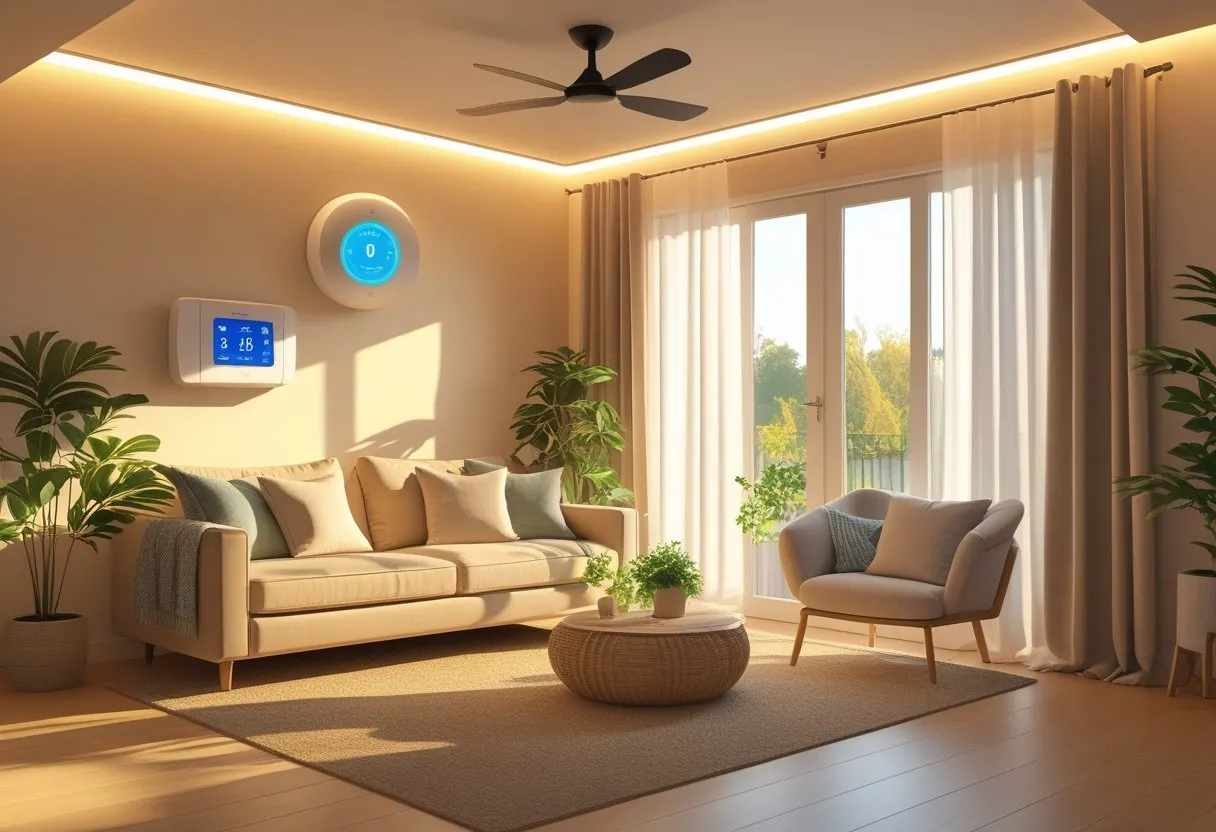
A modern living room with a sofa, smart thermostat, LED lights, large windows with curtains, an indoor plant, and a ceiling fan, illustrating affordable home comfort and energy efficiency upgrades.
Small, targeted changes can make rooms feel warmer in winter and cooler in summer while costing little. Focus on floor insulation and improved air movement to raise comfort without major construction.
Adding Area Rugs for Warmth
Area rugs reduce heat loss through floors and make hard surfaces feel warmer underfoot. Choose rugs with a dense pile or natural fibers like wool for the best insulating effect; synthetic blends work if you need easy cleaning and lower cost.
Place rugs in high-use zones: under the seating area, beside the bed, and on top of bare entryway floors. Use a non-slip rug pad to add a thin layer of insulation, prevent shifting, and protect subfloors.
For energy and comfort, size matters: a rug that extends at least 18 inches beyond furniture legs anchors the space and covers more cold surface. Rotate rugs seasonally to even wear and clean them according to the manufacturer's instructions to maintain loft and insulation.
Improving Air Circulation with Ceiling Fans
Ceiling fans move air to increase perceived comfort and reduce reliance on heating or cooling systems. In summer, run blades counterclockwise at higher speeds to create a cooling breeze; in winter, switch to clockwise at low speed to push warm air down from the ceiling.
Pick a fan with an efficient motor (look for ENERGY STAR or DC motor models) and blade span matched to room size: 29–36" for small rooms, 42–52" for living rooms and bedrooms, 56" or larger for open areas. Mounting height matters—ideally 8–9 feet from the floor; use downrods for higher ceilings.
Install a fan witha reversible switch and multiple speeds, and set fan timers or integrate with a smart plug to avoid running it when rooms are empty. Combine fans with thermostats: raise the thermostat by 2–3°F in summer while running fans to save energy without losing comfort.
Smart Home Solutions on a Budget
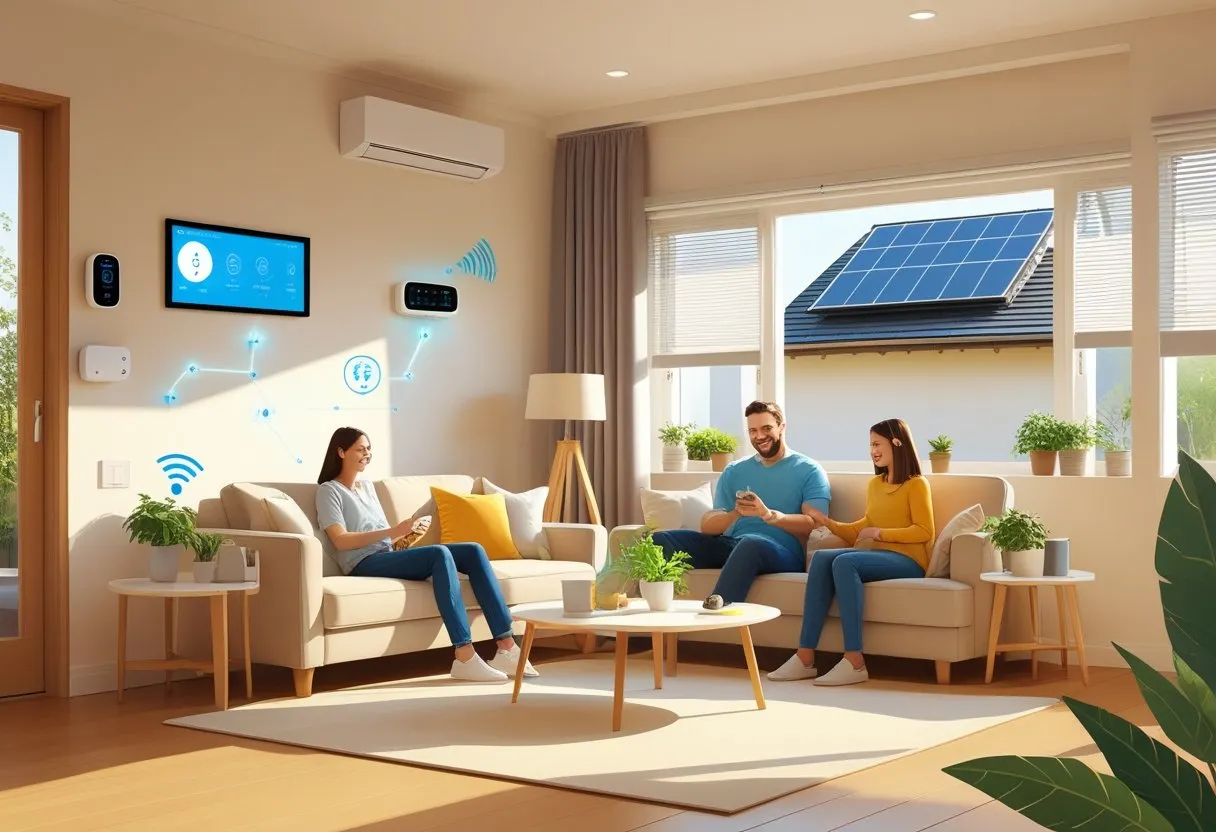
You can improve comfort and cut energy waste with a few targeted, low-cost smart devices. Focus on devices that save energy, add convenience, and connect to the ecosystem you already use.
Adopting Smart Plugs and Power Strips
Smart plugs and smart power strips let you control lights, fans, space heaters, and entertainment gear from your phone or voice assistant. Choose Wi‑Fi plugs for direct control, or Zigbee/Z‑Wave if you already have a hub; check rated load for heaters and air conditioners to avoid overload.
Use schedules and away modes to reduce phantom power and lower bills. For example, set living‑room outlets to cut power overnight, or schedule a fan to run only during hot hours. Look for energy‑monitoring models if you want real usage data; that lets you identify high‑draw devices and prioritize replacements.
Buy surge‑protected strips for entertainment centers and metal‑shell plugs for outdoor use. Expect most good smart plugs to cost $10–25 each and power strips $30–60, so you can automate several circuits for under $150.
Installing Basic Home Automation Devices
Start with a smart thermostat, a couple of smart bulbs, and a motion sensor to get the biggest comfort and efficiency gains. A smart thermostat that supports remote control and learning routines can cut heating and cooling waste by adapting schedules to when you’re home.
Smart LED bulbs (tunable white or dimmable) let you lower lighting energy while improving comfort. Pair bulbs with motion sensors in closets, hallways, and bathrooms to keep lights off when not needed. Use scenes and automations: combine thermostat setbacks, motion‑based lighting, and smart plugs to create “away” and “sleep” modes that run automatically.
Prioritize compatibility: pick devices that work with your voice assistant or a single app to avoid juggling multiple platforms. Expect a decent smart thermostat to run $100–200, bulbs $8–20 each, and sensors $15–40, so a small kit can upgrade your home for roughly $150–300.

Water Efficiency Upgrades
These changes cut both your water use and your utility bills while improving daily comfort. Focus on fixtures that reduce flow without sacrificing pressure, and on fast repairs that prevent constant losses.
Adding Low-Flow Showerheads
Swap your showerhead for a low-flow model rated 1.8 gpm (gallons per minute) or lower to save water and energy for heating. Look for models with pressure-compensating technology or an aerator to maintain a strong spray feel even at reduced flow.
Installation takes 5–10 minutes with a wrench and plumber’s tape. Choose a finish and spray pattern that match your preferences; some high-efficiency units offer multiple spray modes and rub-clean nozzles to reduce maintenance. Expect immediate savings: a 2.5 gpm to 1.8 gpm swap on a 10-minute shower saves about 7 gallons each use.
Check the product for WaterSense certification to ensure verified performance. If you have a tankless or small-capacity water heater, reducing peak flow can also reduce cold-water interruptions and improve temperature stability.
Fixing Leaky Faucets
A single dripping faucet can waste hundreds of gallons per month. First, identify the leak source handle, spout, or under-sink fittings, then shut off the local valve before disassembly.
Most common repairs involve replacing a worn rubber washer, O-ring, or cartridge. You can buy a repair kit for $5–20 and complete the job in 10–30 minutes for standard compression or cartridge faucets. For ceramic disk or pull-down kitchen faucets, replace the cartridge or check the hose connection; keep a bucket and towel handy.
If the leak comes from supply lines or shutoff valves, tighten connections with a wrench or replace the braided line (typically $10–30). Call a plumber if corrosion or persistent leaks remain after basic repairs, since undetected leaks can damage cabinets and increase mold risk.
Effective DIY Weatherproofing
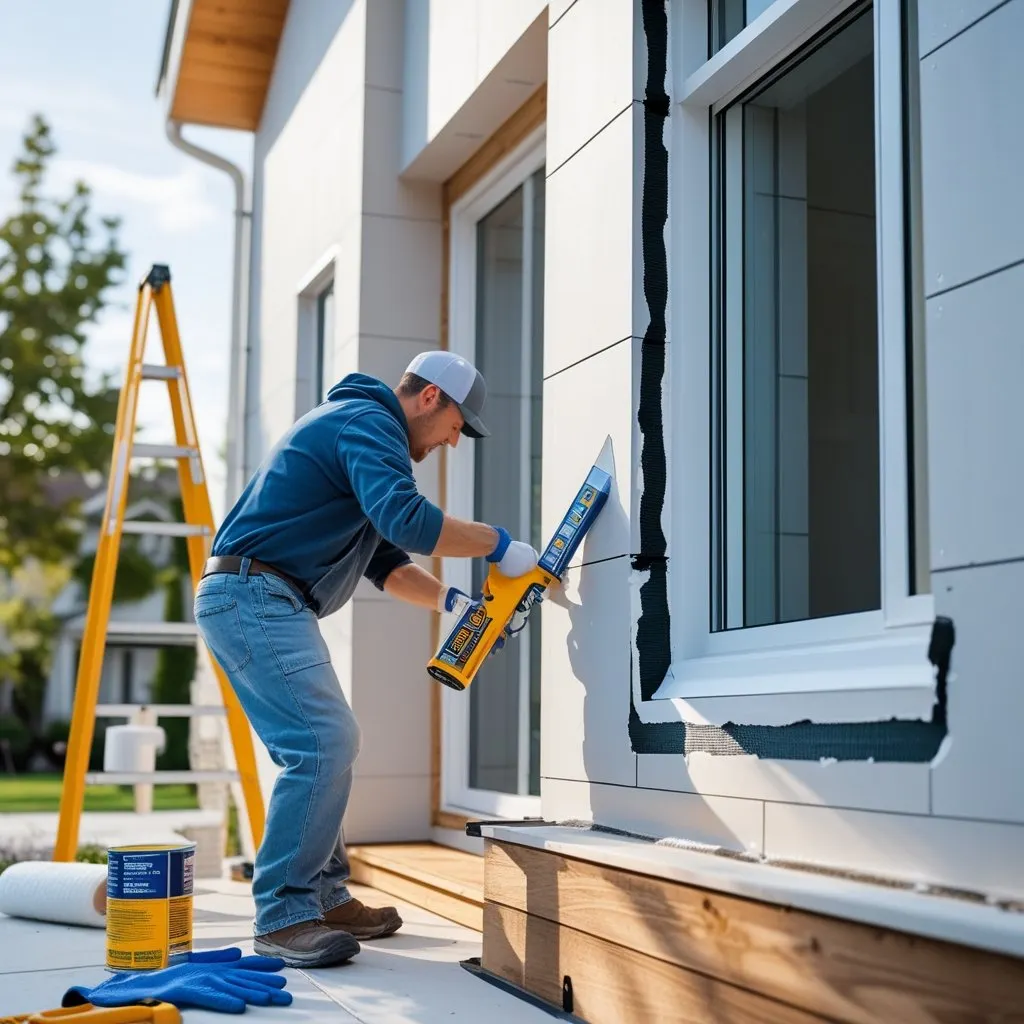
You can cut drafts and lower bills with targeted sealing at doors, windows, and small penetrations. Focus on durable weatherstripping for moving parts and foam/gasket solutions for fixed openings to stop air leaks and reduce heat transfer.
Applying Weatherstripping
Measure the gap width and door/window movement before buying materials. For doors, choose a combination: compression or tubular rubber along the jamb for large gaps, and sweep at the bottom for floor clearance. For double-hung or sliding windows, use V-strip or felt where sashes meet; vinyl V-strip lasts longer and compresses well.
Cut strips to length and test-fit; the seal should compress without binding the sash or door. Clean the mounting surface with rubbing alcohol, then apply adhesive-backed strips or fasten with small nails where recommended. Inspect annually and replace any brittle or flattened seals, expect common materials to last 3–7 years, depending on sun and wear.
Draft-Proofing Electrical Outlets
Locate outlets on exterior walls using a thermal camera or by feeling for cold air with your hand. Turn off the power at the breaker, remove the faceplate, and feel behind the box for insulating gaps. Use foam gaskets made for outlets to block drafts; they compress under the faceplate and require no wiring changes.
For larger gaps around the box, backfill with low-expansion spray foam or caulk, taking care to avoid contact with wiring. Reinstall the gasket and faceplate, then restore power. For safety and best results, use materials rated for electrical boxes and follow local code when insulating recessed or arched fixtures.
Cost-Effective Window Treatments
These options reduce drafts, lower energy bills, and improve privacy without high upfront costs. You’ll see quick wins from thin films to layered coverings that work together to control heat and light.
Using Insulating Window Film
Insulating window film sticks directly to glass and cuts heat transfer. Choose low-emissivity (low-E) or multi-layer polymer films; they reflect radiant heat in summer and retain indoor warmth in winter. Installation needs only a spray bottle, squeegee, and utility knife. Most films run under an hour for a standard window.
Expect a measurable drop in surface-coldness and reduced condensation on single-pane windows. Films vary in visibility and tint: pick clear options for minimal change to views or lightly reflective films for extra solar control. Replace film every 5–10 years, depending on sun exposure and adhesive longevity.
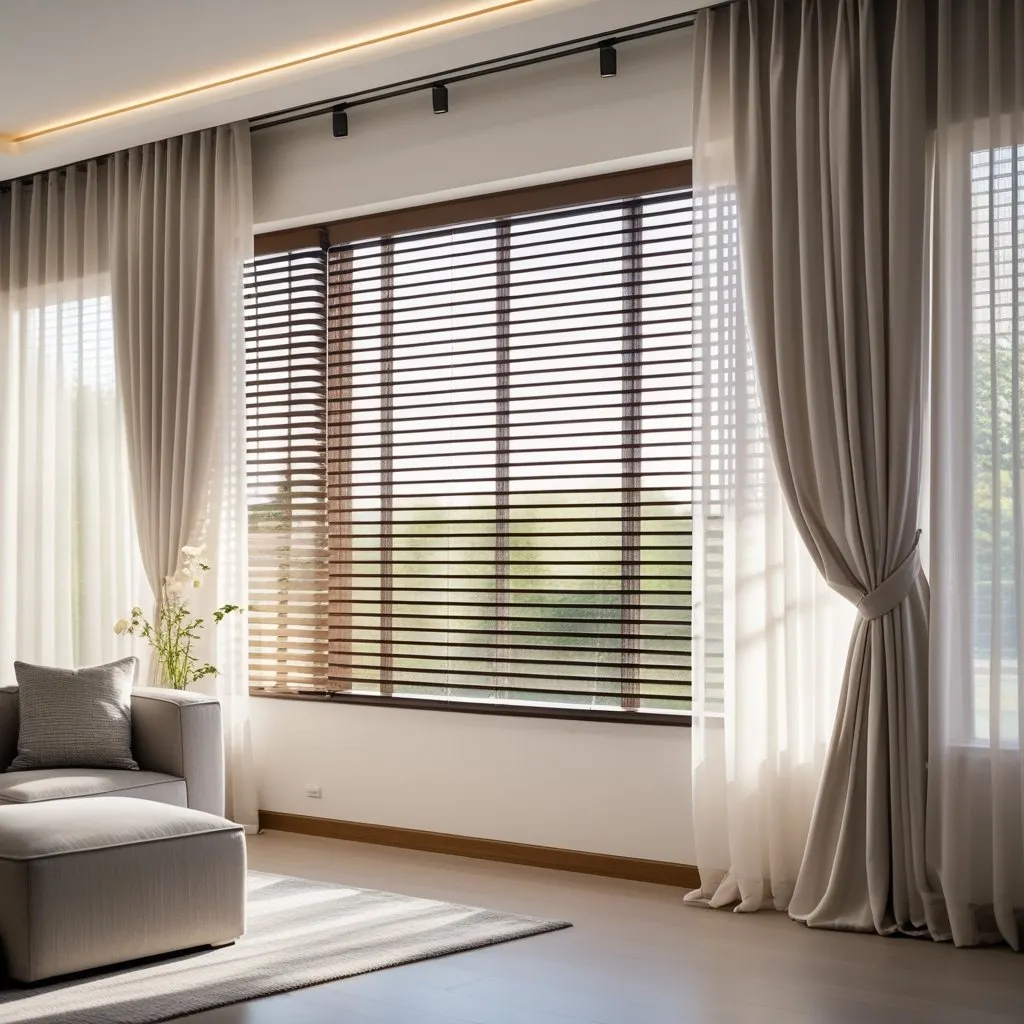
Layering Blinds and Curtains
Combine a close-fitting blind with a heavy curtain to trap air and block drafts at night. Start with a cellular (honeycomb) or roller blind sized to fit the frame; these offer the best baseline insulation. Mount blackout or thermal-lined curtains on a rod that extends past the window to seal edges when closed.
Use a short list to shop: 1) Measure width+height precisely. 2) Choose curtain liner weight (150–250 g/m² typical). 3) Add draft excluders or magnetic seals at the sill for older frames. During the daytime, raise curtains to capture solar heat; lower them at night to maintain a thermal barrier.
Outdoor Space Comfort Tips
You can make your outdoor areas cooler, brighter, and more usable without spending much. Focus on targeted shading, layered lighting, and durable, low-maintenance fixtures to improve comfort and extend usable hours.
Shade Solutions for Patios
Choose a shade option that fits your budget, sun exposure, and how permanent you want the solution to be. For temporary coverage, use a retractable awning or a roll-up fabric shade; they cost less than a fixed structure and let you control sun and airflow. For a low-cost DIY option, install a sail shade—anchor points at 3–4 attachment spots, marine-grade hardware, and tensioned edges prevent sagging.
If you prefer a permanent solution, a pergola with a louvered roof or polycarbonate panels gives year-round protection and allows rain or light to pass through as you prefer. Plant fast-growing trees like hybrid poplar or use climbing vines on a trellis to add natural shade; pair this with a drip-irrigation line to keep plants healthy with minimal effort.
Consider cooling effects and ventilation when siting seating. Position seating to catch breezes, add ceiling or oscillating fans for warm evenings, and use light-colored fabrics to reflect heat. Use a simple checklist: measure sun angles, choose mounting points, verify local codes, and budget for hardware and installation.

Improving Outdoor Lighting
Prioritize layered lighting: task, ambient, and accent. Install warm-white LED fixtures (2700–3000K) for comfortable color and lower energy use. For dining and cooking areas, mount a pendant or task light above the table and grill; aim for 300–500 lumens per fixture to ensure visibility without glare.
Use path lights and step lights for safety. Low-voltage LED stakes or integrated solar units work well for walkways. Accent lighting, such as uplights on trees and downlights on eaves, creates depth; place uplights 1–2 feet from trunks for an even wash and avoid pointing lights into neighbors’ windows.
Choose durable materials rated for outdoor use (IP65 or higher for wet locations). Add motion sensors or wireless smart controls to reduce electricity use and let you schedule scenes. Maintain fixtures by cleaning lenses seasonally and replacing batteries in solar units annually.
Low-Cost Upgrades for Indoor Air Quality
You can improve indoor air by reducing sources of pollution and using simple, affordable cleaners and plants. Small changes—like swapping filters and placing a few resilient plants—deliver measurable benefits without major expense.
Adding Houseplants
Choose hardy, low-maintenance plants that tolerate indoor light and irregular watering, such as spider plant, pothos, and peace lily. Place one medium plant (6–8" pot) in rooms where you spend the most time; for larger open spaces, use multiple plants spaced across the area.
Keep plants healthy to avoid mold and dust buildup: use well-draining potting mix, water only when the top inch of soil is dry, and wipe leaves monthly to remove dust. Avoid overwatering and use saucers to prevent standing water. If anyone in the home has severe allergies, test one plant first because pollen or mold on soil can aggravate symptoms.
Plants add modest air-cleaning benefits and increase humidity slightly. Treat them as a complement to ventilation and filtration—not a replacement for mechanical filtration when you need higher air cleaning performance.
Cleaning and Replacing Air Filters
Identify the filter type for your HVAC: check the furnace/air handler slot or existing filter label for size and MERV rating. For most homes, upgrade to a MERV 8–13 pleated filter to capture more dust, pollen, and pet dander without overstressing older systems. Confirm your HVAC manufacturer’s recommended maximum MERV rating before upgrading.
Replace disposable filters every 3 months, or monthly if you have pets, smoky conditions, or high dust. Clean washable pre-filters monthly and vacuum around returns and vents quarterly. Use a checklist: 1) turn off the system, 2) remove the old filter, 3) check fit and airflow direction, 4) install the new filter, 5) log the date for the next change.
If you have persistent odors or allergy concerns, consider adding a portable HEPA unit for the bedroom. Portable units provide targeted particle removal and allow you to maintain a higher MERV filter in central HVAC without compromising system performance.
Simple Home Maintenance for Longevity
Keep small gaps sealed and appliances tuned so you reduce drafts, prevent water damage, and extend the life of major systems. Focus on targeted steps you can do yourself with basic tools and a short checklist to spot problems early.
Routine Caulking and Sealing
Inspect exterior windows, doors, and areas around plumbing fixtures every 6–12 months. Look for cracked, missing, or brittle caulk and for gaps where air or water can enter. Replace old silicone or acrylic caulk with a high-quality silicone or hybrid sealant for exterior use; choose paintable products for interior trim if you plan to repaint.
Prepare surfaces by scraping loose material, cleaning with rubbing alcohol, and ensuring surfaces are dry before applying new caulk. Use painter’s tape to get straight lines and a caulk smoothing tool or a wet finger to finish the bead. Pay special attention to transitions—where siding meets trim, around tubs and showers, and at window sills—to prevent rot and mold. A small investment in tubes of caulk and a caulking gun typically prevents far costlier repairs later.
Regular Appliance Checkups
Create a simple quarterly checklist for major appliances: clean refrigerator coils, inspect dryer vents and lint traps, run dishwasher filter and garbage disposal maintenance, and check washing machine hoses for bulges or cracks. Replace flexible washer hoses with braided stainless-steel ones and install a drip pan under the washer if you don’t already have one.
For heating and cooling, change or clean HVAC filters monthly during peak seasons and schedule a professional tune-up annually. Tighten visible electrical connections and look for scorch marks or loose plugs on major appliances. Keep a log of dates and actions so you can spot recurring issues; early detection of a noisy motor or a leaking line usually saves you from emergency replacements.
Related Articles

Choose a licensed, insured pro with clear references and a written estimate that includes a single step cuts your risk of poor work, delays, and unexpected costs.

You want a home that runs smoothly without eating up your time or budget. This article shows practical services, smart products, and professional tips you can apply now to reduce chores, cut costs, and protect your home’s value.

This post shows how to find reliable local pros, pick durable materials, and get practical guidance so your projects finish on time and on budget. Expect clear steps to connect with vetted home-repair services, choose high-quality products.
Copyright by SavvyHomeHub. All rights reserved.
This site is not a part of the Youtube website or Youtube Inc. Additionally, This site is NOT endorsed by Youtube in any way. YOUTUBE is a trademark of YOUTUBE, Inc.